Your managers can build great teams. They just haven't been taught how.
Management trainings focus on expertise and individual leadership. Almost none builds the capability to drive team performance. This is the gap your managers feel, and it's the one your business pays for. The Teaming Academy was built to close it.
Book a conversation →Teaming is a capability, not a personality trait. It can be taught, practised, and improved.
Your managers were trained to be experts and individual leaders. They weren't trained to build teams. That's the gap we close.
Psychological safety, trust, and collective decision-making are learnable mechanics, not innate talent.
Managers return to their teams with the practical mechanics to run them differently. The change shows up in the room, not on a certificate.
Four modules. Real behaviour change. Built for the management layer.
The accidental manager problem is well documented. High-performing individuals are promoted because of their individual results, then left to figure out team leadership without the skills to do it. Sixty percent fail within two years.
In a period when AI is changing which tasks managers spend time on, the ability to build and sustain a high-performing team is becoming the core management skill, not one among many.
Most training programmes respond by teaching frameworks in a room and hoping managers apply them. The Academy does something different. It works through a structured model, applying it to managers' real team situations, in a cohort that itself becomes a practice environment.
Four modules. One cohort. Real results.
Each module is built around doing, not listening. Participants leave with new mechanics, not new slides. The cohort format is deliberate: learning to build high-performing teams in a group that is itself being built into one.
Before the programme begins, each participant completes a team questionnaire. The results are processed and shared in Module 1, giving every manager a personalised picture of where their team stands before the work begins.
Programme overview and the Collective Momentum model. The shift from hero leader and problem-solver to collective intelligence enabler. Includes a short framing on how AI is changing what good team leadership requires. Reading and discussing participants' team questionnaire results. What makes a team and what holds one back.
Share questionnaire results with your team. Gather their perspective on where things stand.
Deep dive into the first three dimensions of the model: team purpose, trust and identity, and shared priorities. Theory, tools, and in-session practice on each dimension. How to facilitate each one with your own team.
Try at least one tool or conversation from the session with your team. Bring what happened back next time.
Decision rhythms, meeting structures, communication cadence. Introduction to the collaboration dimension: candour, commitment, and real accountability. Live practice on participants' real cases. Note: applying these tools requires participants to stay in the enabler role, not revert to solving.
Identify one operating or collaboration friction point in your team. Design a small intervention.
Completing the collaboration dimension. Building for sustained performance: rituals, measurement, and adaptation. Participant presentations of applied learning. Certification ceremony.
What participants in our trainings say.
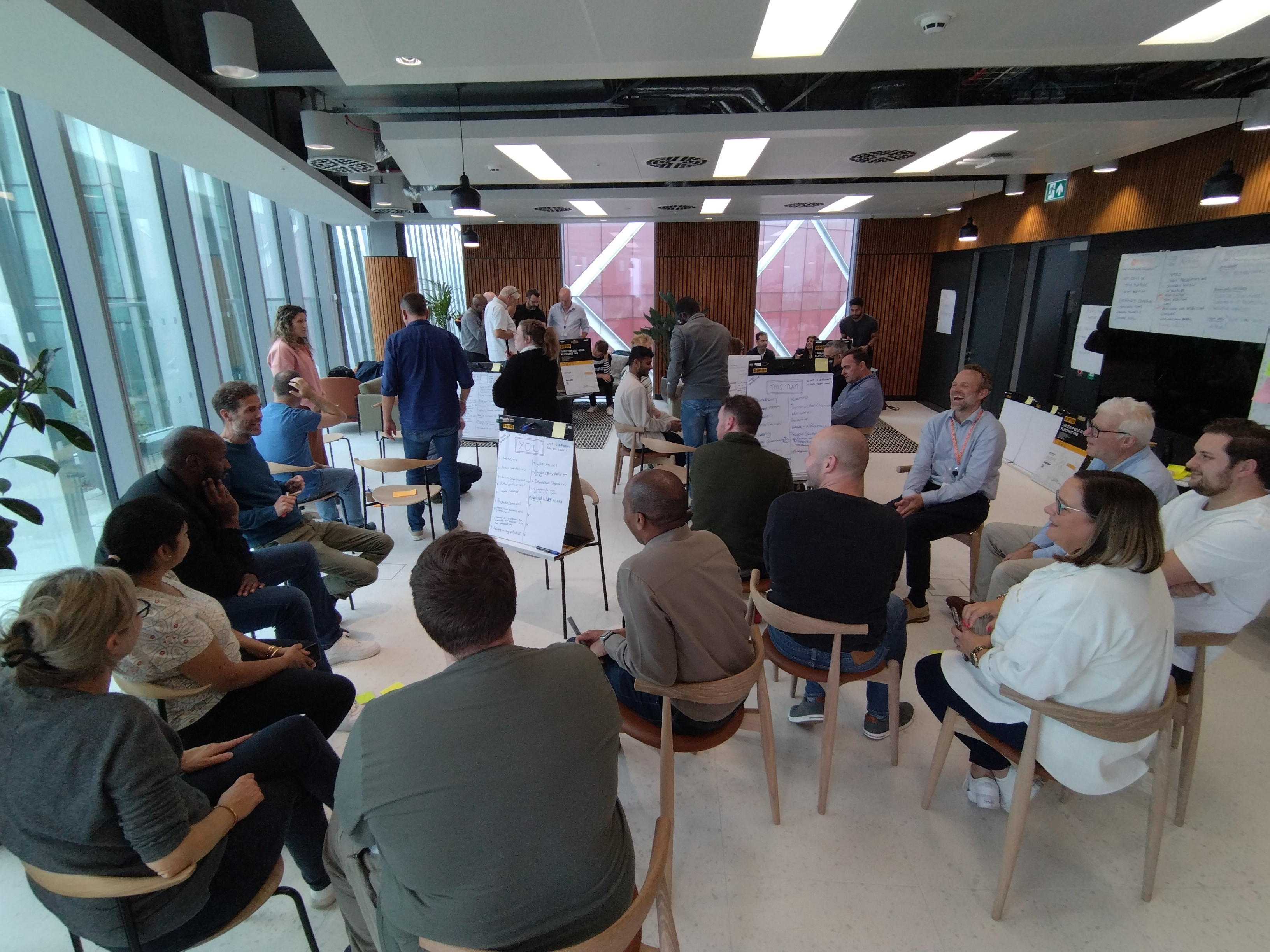
This was incredibly rewarding and allowed me to create actionable steps to improve my weaker points.
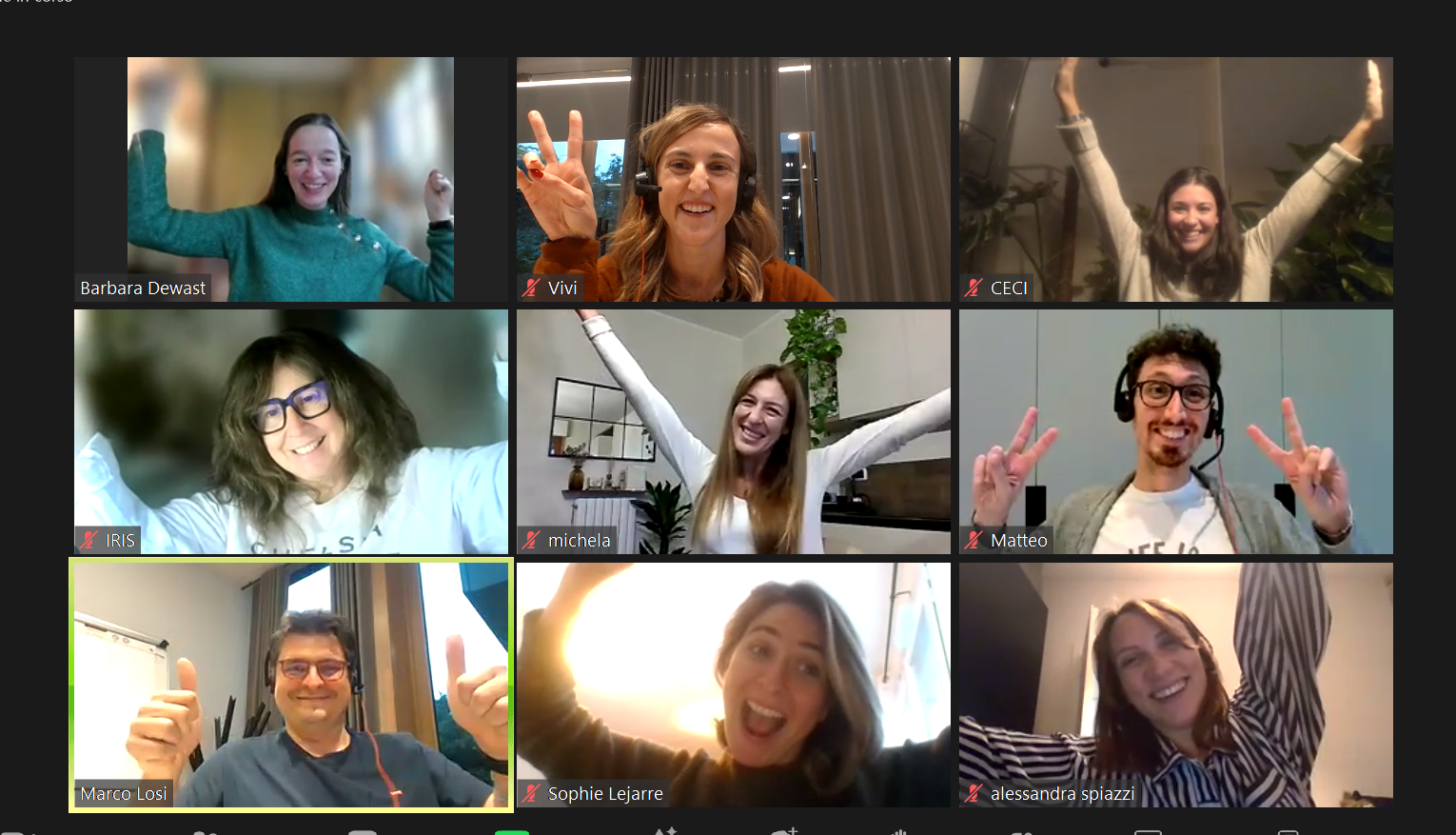
It's been my favourite training so far.
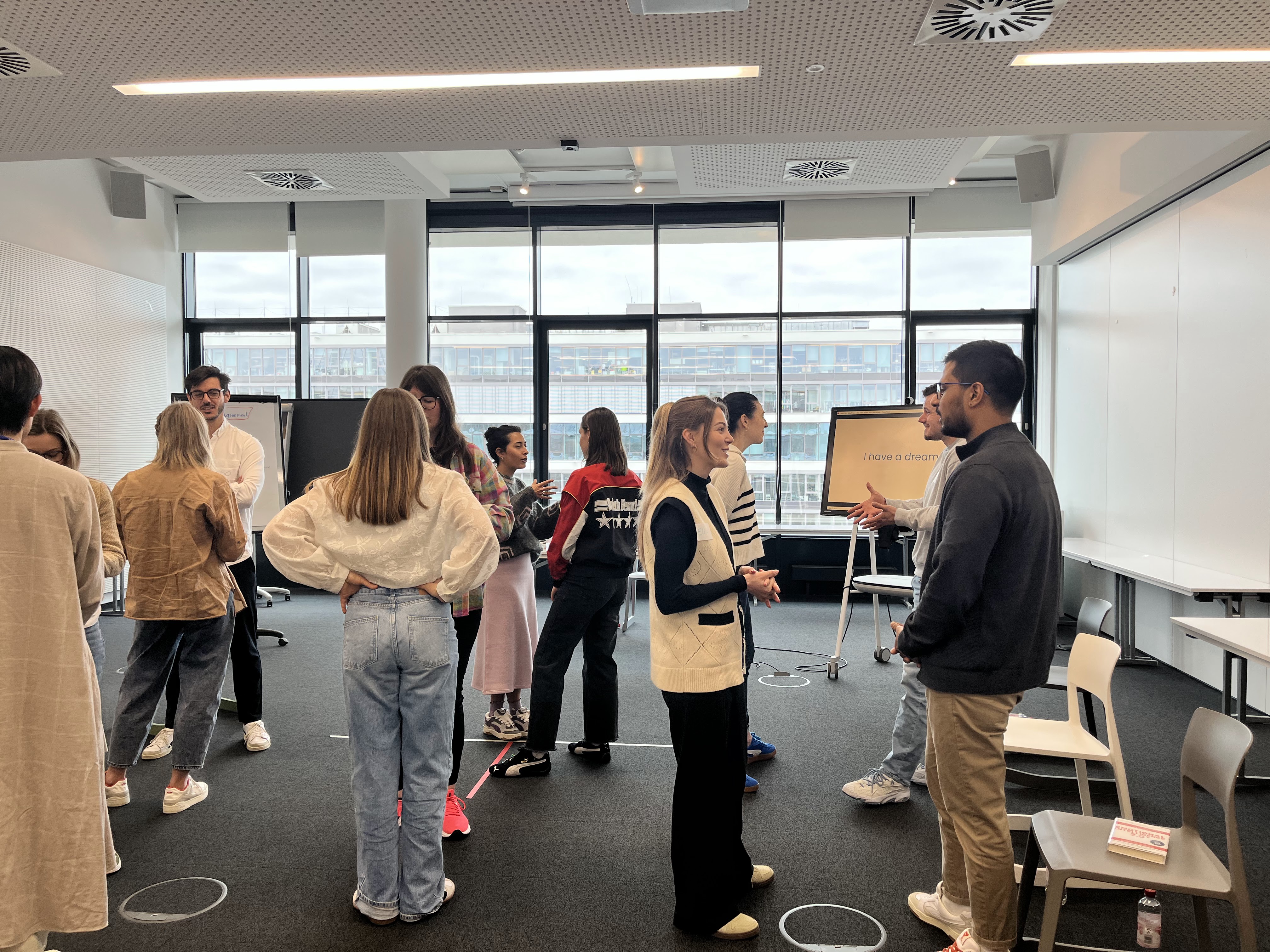
It wasn't some type of training where you go back to the way you were doing things.
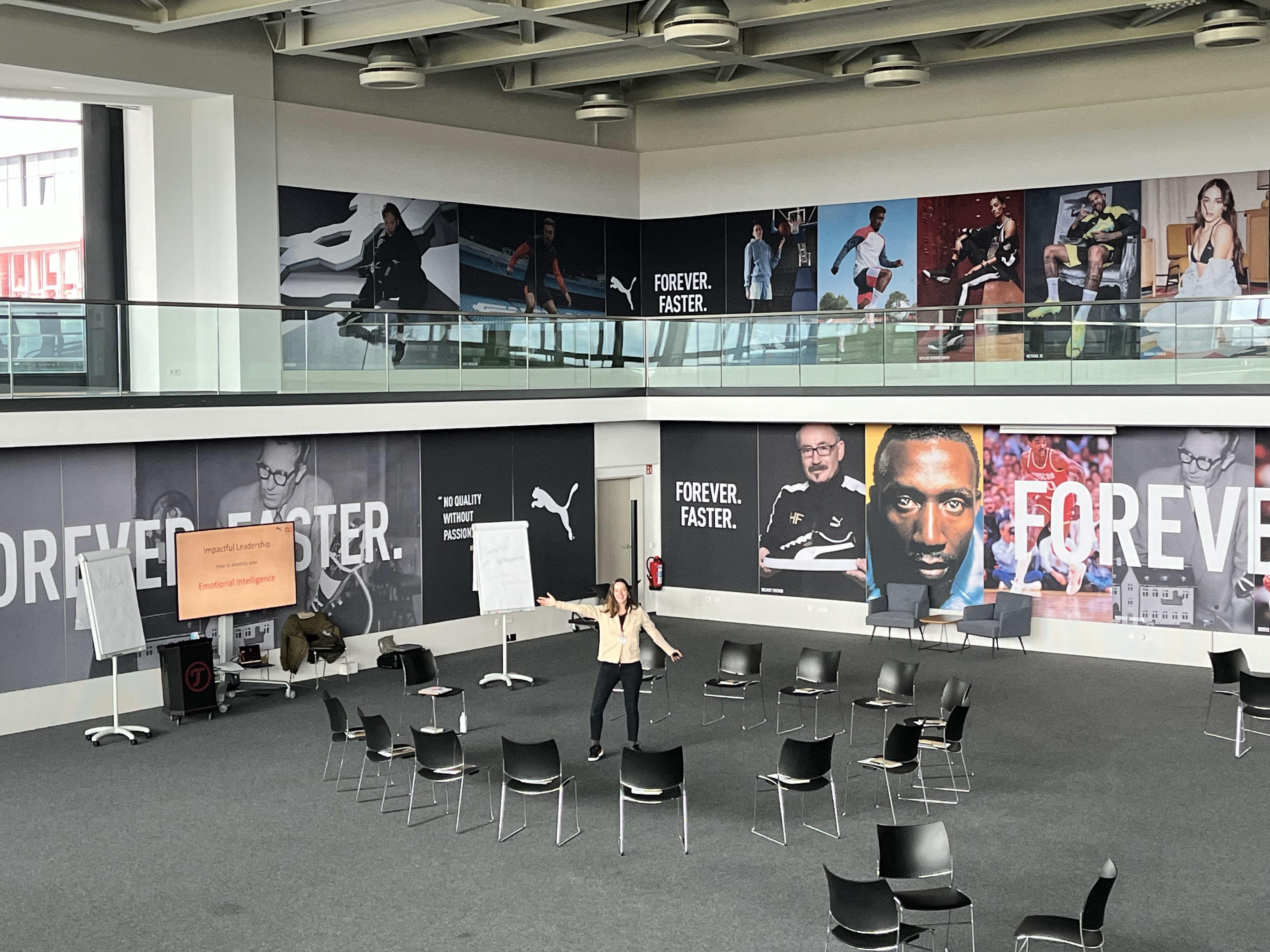
A multi-modal approach.
The Academy is a complete programme. Participants are equipped with what they need to learn, practise, and earn their certification.
Live, highly experiential and interactive sessions covering the full Collective Momentum model. Up to 15 participants per cohort. Approximately ten weeks from kick-off to certification.
Participants can use our unique questionnaire with their team to better understand their team's strengths and areas for development. Once completed, they receive a customised step-by-step guide to apply what they learn in the Journey.
At the close of each module, participants receive a custom AI prompt built around the dimension just covered. Participants who complete the team context questionnaire receive a version tailored to their specific team.
Two facilitated co-development sessions run by a Teaming Hub coach are built into the programme. Participants bring a real leadership challenge and work through it collectively with peers.
A physical or digital companion notebook supporting reflection, tool practice, and documentation of each participant's Teaming journey throughout the programme.
Awarded on completion of the programme. Not a participation trophy. Every certified Teaming Leader has tested the methodology in a real situation. Shareable on LinkedIn.
Two ways to run the Academy.
All participants from the same organisation. The programme can be adapted to reflect company context, language, and priorities. Ideal for organisations that want a consistent approach across a defined management population.
Participants join from different companies. Brings cross-industry perspective and peer learning from outside the organisation. Best suited for individual managers or smaller organisations without sufficient volume for a dedicated cohort.
The Academy is not for everyone.
Your primary goal is a certification programme that generates a badge.
You are looking for e-learning your managers can complete alone.
You want frameworks without accountability for applying them.
You need something that fits in a half-day.
You want team-building days and group activities that you hope will translate into stronger performance.
You want managers who build great teams, not just manage tasks.
You are ready to invest in behaviour change, not just knowledge transfer.
You want managers to work on their real team situations, and build capability in the process.
You believe cohort learning accelerates individual growth.
You want results you can measure, not just satisfaction scores.
Let's talk about your management cohort.
No pitch. An honest conversation about whether the Academy is the right fit for your organisation and your management layer.
Book a conversationFrequently asked questions.
What is the accidental manager problem?
The accidental manager problem describes what happens when high-performing individuals are promoted into management without the skills to lead a team. They were selected for their individual results but building a high-performing team requires a fundamentally different capability. Teaming Hub's Academy programme is designed to close exactly this gap through cohort-based, behaviour-focused development.
Why do new managers fail?
Most new managers fail because they were promoted for individual excellence, not for team-building capability. They are given a team but not the tools to build trust, create psychological safety, or make collective decisions. Sixty percent fail within two years. The solution is not more frameworks. It is practising the real mechanics of team leadership in a structured environment.
What makes leadership development actually work?
Leadership development works when it changes behaviour, not just knowledge. The research is clear: seminars and lectures have a negative effect on development when used alone. What works is applied, cohort-based learning on real situations, with accountability for putting new mechanics into practice. That is the design principle behind the Teaming Hub Academy.
How do I develop managers to build high-performing teams?
Developing managers to build high-performing teams requires a different approach from standard manager training. It means working on the mechanics of how a team operates, trust, decision-making, accountability, collective intelligence, not just the manager's individual skills. The Academy teaches these mechanics through a structured four-module cohort programme, applied directly to each manager's real team context.